Prevent reverse engineering of your mobile app
Every app you ship is also a copy of your source logic handed to attackers. SecIron makes decompiling, reading and modifying that logic impractical, and tells you when someone tries.
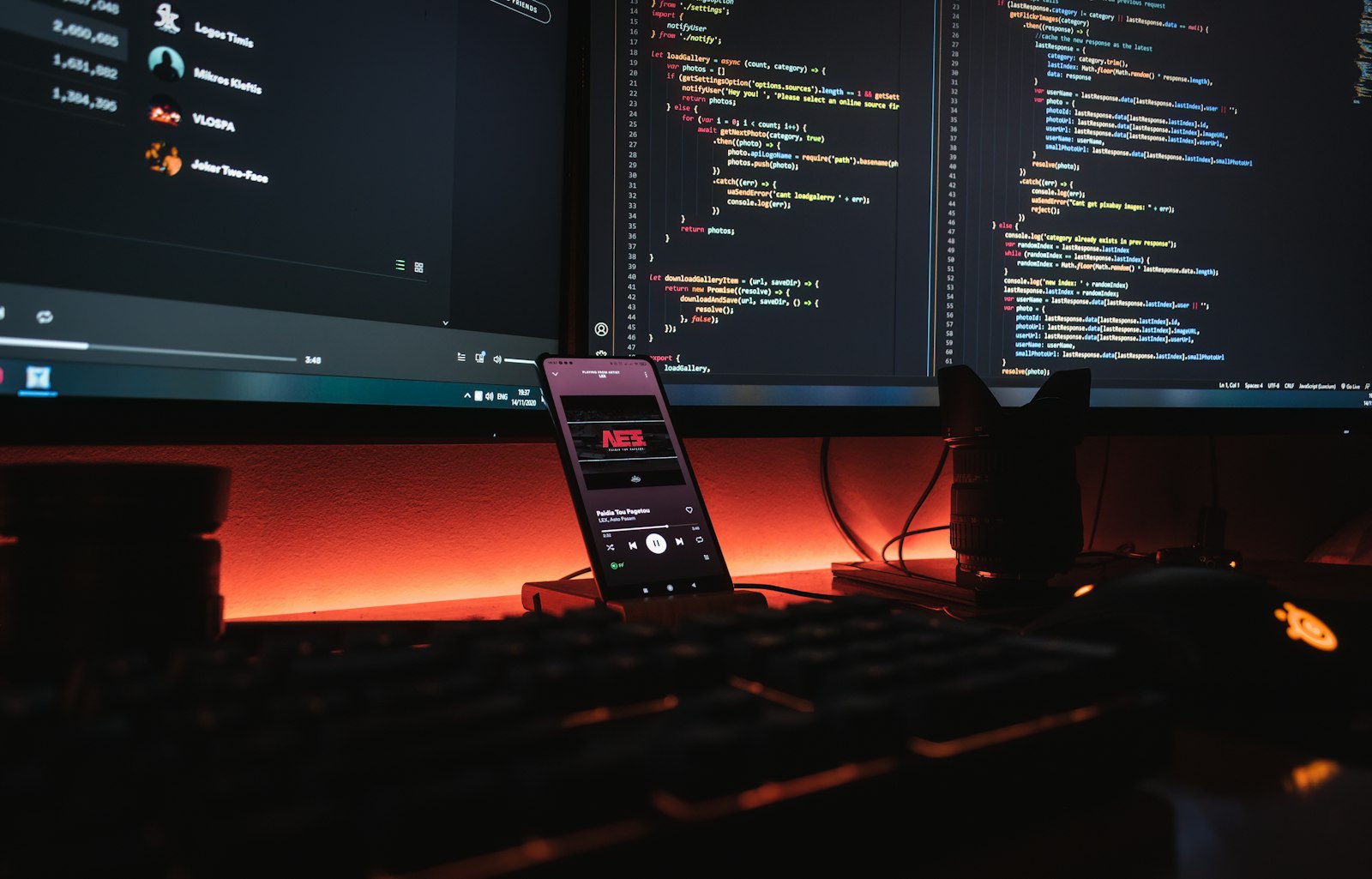
This is what your release looks like to an attacker
A decompiler turns an unprotected APK or IPA back into readable logic in minutes: API endpoints, business rules, hard-coded keys and the very checks that are supposed to stop fraud.
IronWALL obfuscates and encrypts the build and enforces its own integrity, so what comes out of the decompiler is unreadable and a modified copy refuses to run.
What attackers learn from your binary
Decompilers turn an APK or IPA back into readable code in minutes. What they find there decides how the rest of the attack goes.
Business logic exposed
Pricing rules, anti-fraud checks, feature flags and proprietary algorithms laid out in readable code.
Secrets in the clear
API keys, encryption keys, signing material and third-party credentials hard-coded in the build.
API maps for abuse
Every endpoint, parameter and auth flow documented for scripted attacks against your back-end.
Repackaging and cloning
Modified builds with ads removed, licence checks bypassed or malicious code injected, re-signed and redistributed.
Competitor intelligence
Roadmap features, partner integrations and unreleased functionality visible in shipped code.
Patch-and-ship exploits
Attackers diff each release to find and weaponise fixes before all users have updated.
Make the binary not worth reading
Hardening cannot make reverse engineering impossible. It can make it slow, expensive and detectable, which is what stops it in practice.
Assess with IronSCAN
Know what your current build gives away before you harden it.
- Hard-coded secrets and keys
- Debug symbols and logging left in release
- Exported components and insecure configs
Harden with IronWALL
Obfuscate and encrypt the compiled app with no source access.
- Name, control-flow and string obfuscation
- Code and resource encryption
- Integrity checks that stop repackaged builds running
Monitor with IronSKY
Know when someone is probing your app.
- Debugger and instrumentation attempts
- Repackaged-build launches by region
- Evidence to prioritise your next release
How teams like yours protect their apps with SecIron
See how an international bank stopped its app logic from being reverse engineered and rebuilt, with no source code changes.

 International bankCase study · BankingHow SecIron helped an international bank meet its mobile security mandatesA central regulatory mandate required every banking app to be protected, within weeks. IronWALL was deployed on-premise for iOS and Android, with no SDK and no source code changes, so the bank could harden its app without slowing a single release.2 weeksto the first protected appMinutesto harden every update0source code changesRead the case study
What changes once the app is protected
| Scenario | Before SecIron | With SecIron |
|---|---|---|
| Decompile the release APK | Readable class names, strings and flow in minutes | Obfuscated names, encrypted strings and flattened control flow; days of work for little result |
| Pull API keys from the binary | Keys reused from scripts and bots | Secrets encrypted and bound to runtime integrity |
| Attach a debugger on a rooted device | Step through auth and payment logic | Debugging detected; app responds per policy and reports the attempt |
| Repackage with licence check removed | Modified build runs and spreads | Integrity check fails; the build will not run |
| Diff two releases to find a fix | Exploit written before users update | Obfuscation changes between builds make diffing unproductive |
Frequently asked
Is obfuscation alone enough?
No. Obfuscation makes code harder to read but does nothing once the app is running on a rooted or emulated device. Effective protection combines obfuscation with anti-tampering, anti-debugging, environment checks and runtime detection.
Will obfuscation break crash reporting or analytics?
Crash reports can be de-obfuscated with mapping files retained by your team, so stack traces stay readable internally while remaining meaningless to attackers.
Do our developers need to change code?
No. IronWALL protection is codeless: you upload the compiled APK, AAB or IPA, select the protection modules and receive a hardened build. There is no SDK to wire in and no source code access required.
Does this work for Flutter and React Native apps?
Yes. SecIron protects native Android and iOS apps as well as Flutter, React Native, HarmonyOS and HarmonyOS Next, because protection is applied to the compiled app rather than the source.
Resources on reverse engineering
Guides, research and practical checklists from the SecIron team.
 BlogWhat hackers see when they decompile your appRead the article →
 BlogMobile app hardening vs RASP vs app shielding: where does it stop?Read the article →
 WhitepaperRuntime Application Self Protection (RASP): the next step up to app securityRead the article →
Browse all blog posts, success stories and whitepapers and guides.
See it on your own app
Send us a build and we will harden it live, so your team can judge the protection and the performance impact before you decide.
End-to-end mobile application security. Assess, harden and monitor Android and iOS apps with codeless integration.
